








Peptides Are Having a Moment. We Never Left.
Every brand out there right now is suddenly "peptide this" and "peptide that" - new launches, new claims, new little icons on the packaging. It's everywhere, all at once, like it just got invented.
Funny thing is, we've been doing this since before it was cool.
Back in 2001, I was one of the first people in the world using peptides in skincare. Not because it was trending - there was no trend, nobody was talking about it - but because the science made sense to me, and I couldn't ignore it.
So while everyone else is jumping on the peptide wave right now, we're just... still here. Doing what we've always done. This post is my attempt to explain why that difference actually matters for your skin - and why "contains peptides" on a label should make you ask more questions, not fewer.
What Are Peptides, Really?

Here's the thing most brands won't tell you: "peptides" isn't one ingredient. It's not even one *type* of ingredient.
Peptides are targeted signals - tiny messenger molecules that tell your skin cells to do something specific. They're chains of amino acids, and depending on their exact molecular structure, different peptides send completely different messages to skin. Some tell skin to relax expression lines. Some tell it to build collagen. Some tell it to plump, firm, brighten, or calm.
So when a brand just says "contains peptides" on the label, that tells you almost nothing about what it will actually do. It's a bit like saying a text message "contains words" - sure, but what does it actually say?
This is the single biggest misunderstanding in peptide skincare right now: assuming all peptides do the same thing, or that adding "a peptide" to a formula automatically means it works.
A First-Hand History of Peptides in Skincare
Long before "peptide serum" was a marketing category, a small number of scientists were doing the actual foundational work. One of them is José María García, co-founder of the Spanish biotech company Lipotec, and the mind behind Argireline® - widely recognised as the first muscle-relaxing peptide, released in 2001.
I met him at the very start of this journey, and that relationship - and the science behind it - shaped how I've built every peptide formula since. It's why our approach has never been about chasing what's trending; it's been about understanding the mechanism well enough to use it properly.
Twenty-five years later, I'm still working with the same principles - and still working with him.
Why Most "Peptide" Products Miss the Point
This is the part I actually care about, so bear with me.
There are three things that separate a brand that genuinely understands peptides from one that's just riding the wave:
1. Using the right peptide for the right job.
Not a generic peptide blend hoping it does *something* - the specific signal peptide matched to the specific outcome you're after. Anti-wrinkle, anti-puffiness, volumising, and muscle-relaxing peptides are not interchangeable.
2. Using them at clinical levels — not label-claim levels.
"Label-claim" level is the bare minimum a brand can include and still legally list an ingredient on the box. Clinical level is the concentration actually studied and shown to work. There's often a significant gap between the two.
3. Combining peptides to help them perform.
Peptides don't work in isolation. Pairing them with complementary peptides - or other actives - helps them do their job better, faster, and more visibly.
That's the difference between a brand *touting* peptides and a brand that actually understands them.
Our Peptide Heroes - Same Science, Different Targets
We have peptides across the majority of our range — this isn't a single "peptide product," it's a philosophy that runs through the brand. Here are three customer favourites that show how differently peptides can be deployed depending on the target.
Revitaleyes
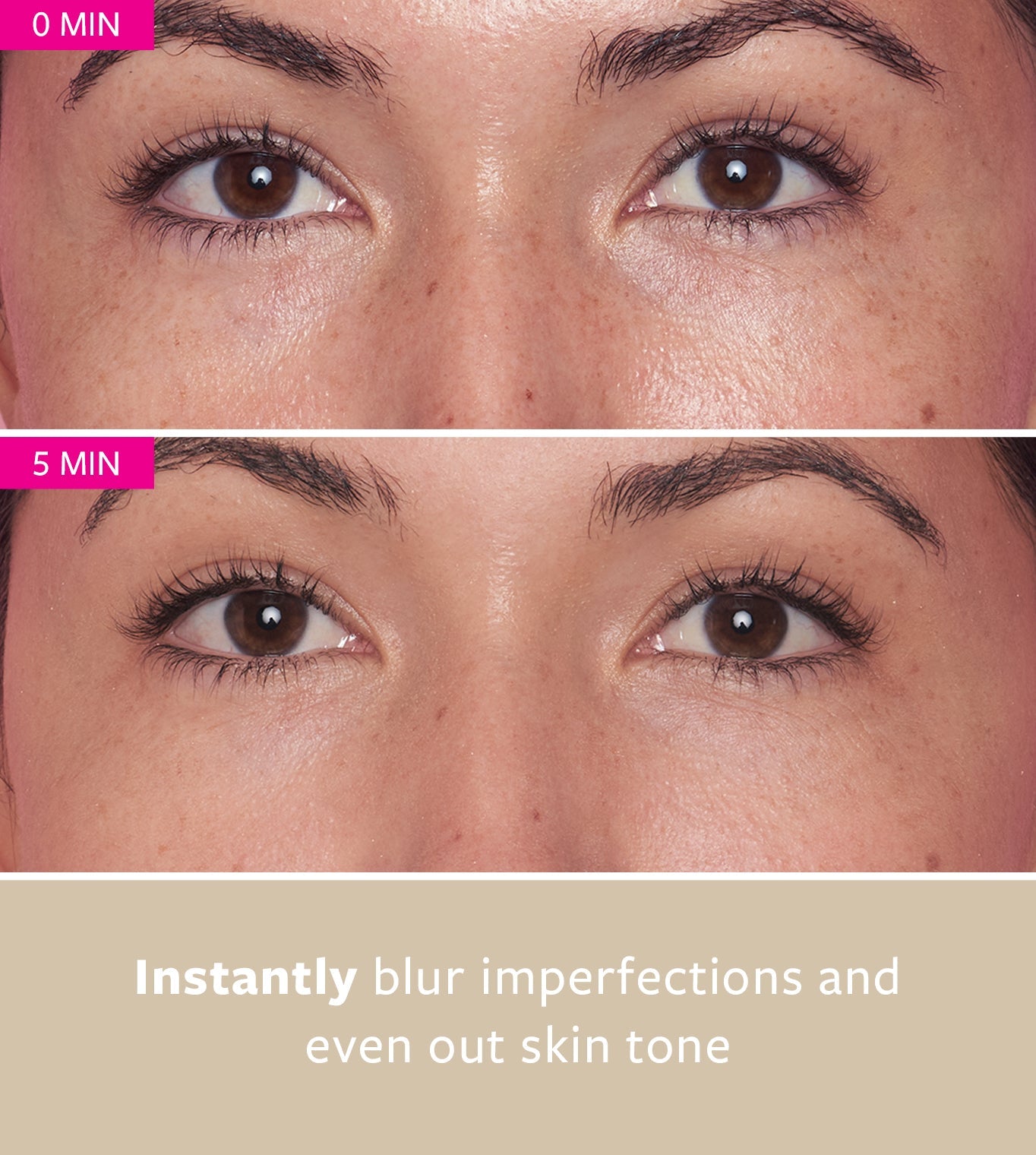
Anti-wrinkle peptides + anti-dark circle peptides + anti-puffiness peptides, working together with vitamin C, hyaluronic acid and polysachharides to deliver visible results on all 3 major signs of aging of the lower eyelid.

Wrinkle Block
Pre-synaptic muscle-relaxing peptides paired with an energy peptide (a peptide that signals mitochondrial activity withing the skin cells)— so expression lines don't just soften, they bounce back faster from the everyday "trauma" of talking, laughing, and frowning.

Lip Injection
Volumising peptides combined with micronized hyaluronic acid and other clinically proven volumizing actives — for lip volume that shows up instantly, and builds over time.

FAQ - Peptides in Skincare
Are all peptides the same?
No. Peptides vary by molecular structure, and different structures send different signals to skin - anti-wrinkle, firming, brightening, volumising, and more are all achieved through different peptide types.
What's the difference between "label claim" and "clinical level" peptides?
Label claim is the minimum amount required to legally list an ingredient. Clinical level is the concentration actually studied in research to produce visible results. Products can legally say "contains peptides" at either level.
What is Argireline?
Argireline® is a peptide (acetyl hexapeptide-8) developed by Lipotec, widely recognised as the first muscle-relaxing peptide for topical use, released in 2001.
Do peptides work better combined with other ingredients?
Yes - peptides are generally more effective when paired with complementary peptides or supporting actives that help them perform.
Everyone else just found out peptides work. We've spent 25 years figuring out how to make them work *better*.
Shop the full peptide range →
https://www.freeze-frame.com.au/products/revitaleyes
https://www.freeze-frame.com.au/products/wrinkle-block
https://www.freeze-frame.com.au/products/lip-injection
https://www.freeze-frame.com.au/products/non-surgical-eyelid-lift
https://www.freeze-frame.com.au/products/neck-lift
https://www.freeze-frame.com.au/products/breast-enhancer